


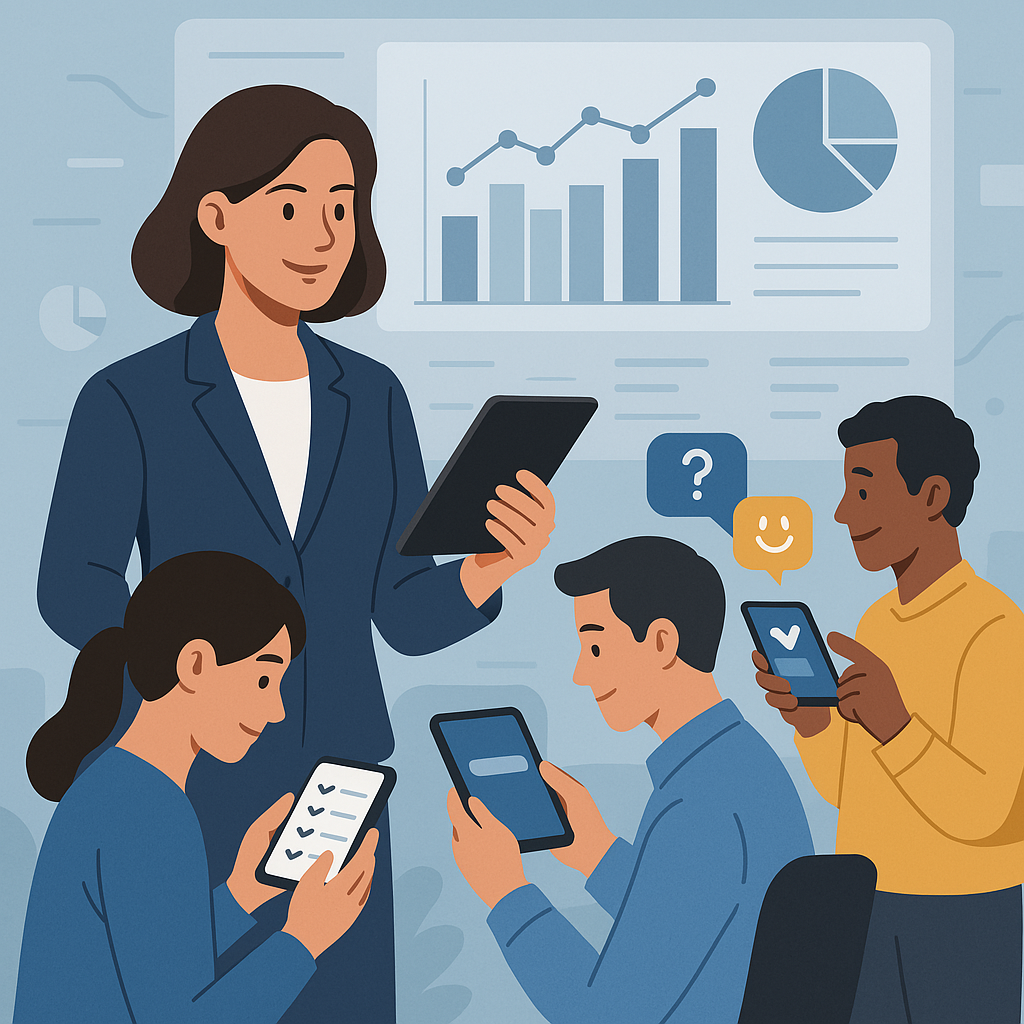
How L&D Leaders Are Using Custom Mobile Apps to Increase Performance
In today’s fast-paced, hybrid work environments, traditional training methods often fall short of meeting the real-time needs of a dynamic workforce. Learning and Development (L&D) leaders are now embracing custom mobile apps as a modern solution to enhance employee performance, engagement, and continuous growth.
These apps are more than just a trendy tech upgrade—they’re a strategic investment in performance enablement.
🔹 Just-in-Time Learning at the Fingertips
Custom mobile apps empower employees with instant access to learning resources, no matter where they are. This approach, known as just-in-time learning, ensures employees can find the right information exactly when they need it—whether it’s a quick tutorial before a client meeting or a troubleshooting guide on the job site.
By making learning more accessible, L&D teams can:
- Improve employee confidence and competence
- Minimize downtime from task-switching
- Support self-directed development
Example: A customer support agent quickly reviews a video on conflict resolution before hopping on a tough call.
🔹 Microlearning for Maximum Impact
Short, focused lessons—microlearning modules—are ideal for mobile delivery. Custom apps allow L&D teams to deliver information in digestible, engaging formats like short videos, quizzes, or interactive scenarios.
Benefits of mobile-first microlearning:
- Better knowledge retention through repetition
- Increased engagement with shorter, manageable lessons
- Higher completion rates due to convenience
Example: A retail associate completes a 5-minute daily product training during a lunch break.
🔹 Boosting Engagement Through Gamification
Gamified elements within mobile apps—such as badges, points, progress bars, and leaderboards—make learning more interactive and enjoyable. This drives motivation, fosters friendly competition, and rewards consistent effort.
L&D leaders are leveraging gamification to:
- Increase course completion rates
- Promote positive learning behaviors
- Sustain long-term engagement
Example: A new hire earns a badge after completing their onboarding track and shares it in a company Slack channel.
🔹 Personalized Learning Experiences
Custom apps enable personalized learning journeys, tailored to an employee’s role, experience level, goals, and skill gaps. With built-in analytics and AI-driven recommendations, users can follow customized paths that feel relevant and purposeful.
This approach helps:
- Close individual skill gaps more efficiently
- Increase learner satisfaction
- Align development with performance metrics
Example: A marketing manager receives suggested modules on data storytelling and creative strategy based on recent assessments.
🔹 Real-Time Feedback & Performance Tracking
Custom mobile apps come equipped with data dashboards and performance metrics, offering L&D leaders clear insights into:
- User engagement and progress
- Content effectiveness
- Areas of improvement
This data-driven approach allows for rapid adjustments, smarter learning investments, and clearer ROI tracking.
Example: The L&D team notices low quiz scores on a compliance topic and quickly deploys a follow-up refresher module.
🔹 Empowering Frontline & Deskless Workers
Not all employees work behind a desk. In industries like healthcare, manufacturing, logistics, and retail, a mobile-first learning solution is often the only practical option.
Custom apps support:
- Offline access for training on the go
- Visual and audio content for diverse learning styles
- Increased inclusivity in development initiatives
Example: A field technician downloads a how-to guide before entering a low-connectivity zone.
🔹 Seamless Integration With Business Tools
Custom learning apps can be integrated with LMS platforms, HR systems, calendars, and communication tools like Microsoft Teams or Slack. This ensures a streamlined experience and encourages consistent learning habits without switching platforms.
🚀 Final Thoughts
As L&D continues to evolve, custom mobile apps are becoming essential tools to meet learners where they are—on the job, on the move, and on their phones. These apps allow for more personalized, engaging, and data-driven learning experiences that drive real performance improvements.
In short, they’re helping L&D leaders do what they do best: build a smarter, more capable workforce ready to take on tomorrow.